Buying your first home in East Brainerd can feel exciting and a little overwhelming. You want a smart plan, a comfortable monthly payment, and a neighborhood that fits your life. This guide walks you through each step with local tips for East Brainerd so you can move forward with confidence, not guesswork. You’ll learn how to budget, compare loans, tour neighborhoods, make offers, and close in Tennessee. Let’s dive in.
Why East Brainerd works for first-time buyers
East Brainerd sits on Chattanooga’s east side, close to major routes and daily conveniences. The drive to downtown Chattanooga is roughly 12 to 13 miles, often about 15 to 25 minutes off-peak depending on your exact starting point, which keeps commutes practical for many buyers (drive-time details). You’ll also find a high concentration of shopping and dining around the Hamilton Place corridor, plus nearby outdoor spots like Heritage Park and Camp Jordan (neighborhood overview).
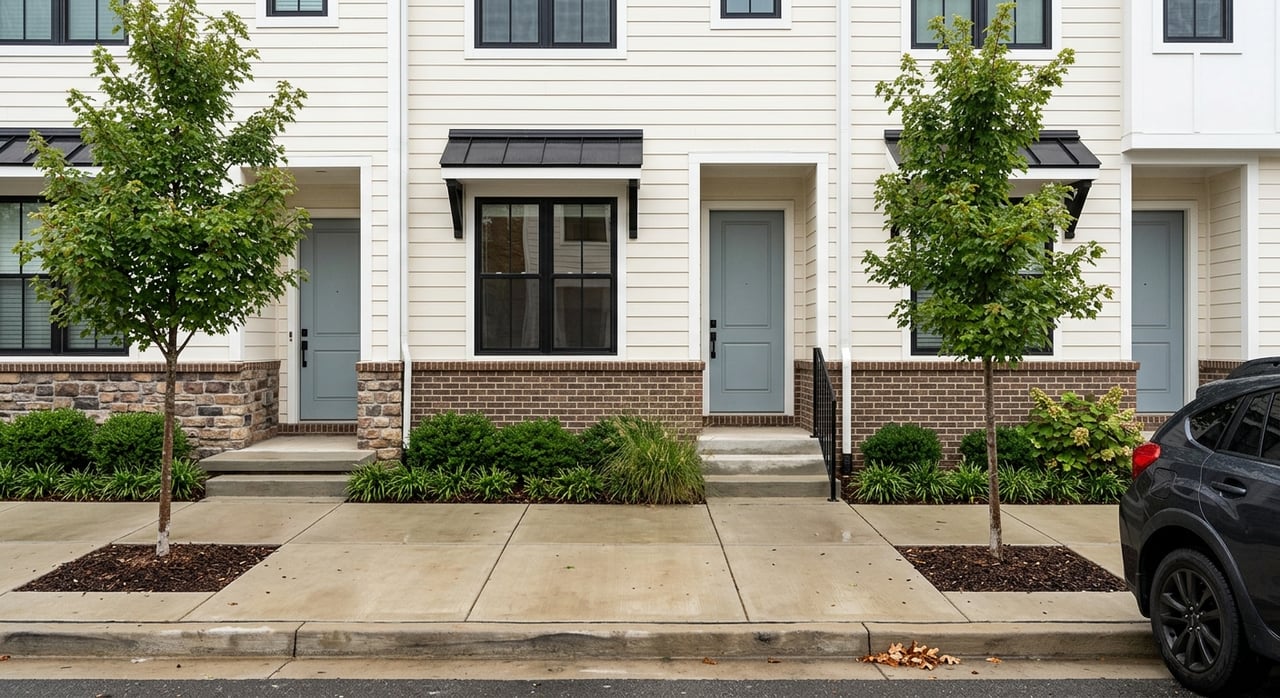
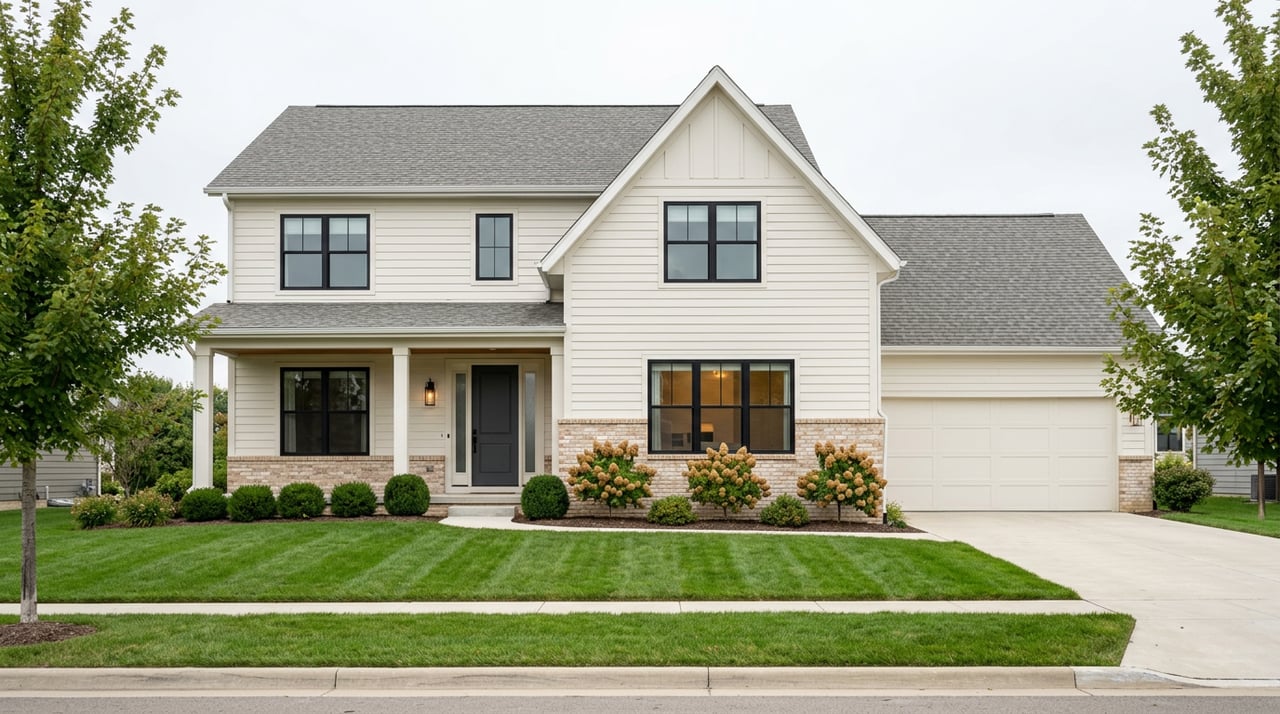
You’ll see a mix of home styles here. Older ranch homes on larger lots sit alongside newer Craftsman and transitional homes, plus townhome pockets. Popular subdivisions many first-time buyers tour include Mountain Shadows, Westview Crossing, Heritage Walk, Engel Park, Shadow Ridge, and Emerald Valley. If schools are part of your decision, note that parts of East Brainerd are served by Hamilton County Schools, including East Brainerd Elementary. Always confirm current school zones directly with the district before you decide.
Step 1: Set your budget and get pre-approved
Start with a full lender pre-approval, not just a quick rate quote. A pre-approval verifies your income, debts, and credit so you know your true price range and can write stronger offers.
If you are using down payment assistance, Tennessee’s state housing agency runs the Great Choice loan and Great Choice Plus programs. These can provide affordable first-mortgage options and down payment assistance (DPA) to eligible first-time buyers, with income and purchase-price limits and required homebuyer education. Review program basics and connect with a THDA-approved lender through the Tennessee Housing Development Agency.
Chattanooga Neighborhood Enterprise (CNE) also offers local DPA and lending programs that may provide larger assistance packages in some cycles. Because funds can be limited, contact CNE early to learn current options and timelines (CNE programs).
Ask your lender to explain 2026 loan limits and how they affect your choices. FHA and conforming loan limits adjust periodically and can impact whether you use FHA, conventional, or another product. Your lender will confirm the limits that apply to Hamilton County and your scenario. You can read HUD’s guidance on recent FHA updates here (HUD mortgagee letter).
Pro tip: Have your lender run a few side-by-side scenarios that include any DPA you plan to use. Compare total cash to close, monthly payment, and how long you need to keep the loan for the assistance to be fully forgiven if that applies.
Step 2: Define must-haves and tour smart
Before you schedule tours, make a short list of what matters most. Keep it to five or six items so decisions stay clear.
- Commute routes and time to I-75 and I-24
- Proximity to Hamilton Place shopping and daily errands
- Access to parks like Heritage Park and Camp Jordan
- Internet and utilities you prefer; EPB fiber is available in many Chattanooga neighborhoods
- HOA vs non-HOA living and any amenity must-haves
- Newer construction versus older homes with potential for updates
As you tour, note differences in lot sizes, street layouts, sidewalks, and parking. Newer communities often have amenities and HOAs, while older areas can offer larger lots and fewer rules. If schools are important to you, confirm school assignments directly with Hamilton County Schools.
Step 3: Make a strong, safe offer
East Brainerd’s market has seen median sale prices in the ballpark of 400,000 to 430,000 dollars in recent snapshots. Conditions can shift by season, price tier, and whether you are competing on a new home or a resale. The best move is to review a fresh market update with your agent for your target price range and timeframe.
Know your standard protections before you write. Most first-time buyers include financing, appraisal, and home inspection contingencies. In hotter price bands, some buyers shorten deadlines or add appraisal-gap language to compete, which increases risk. Typical local timelines look like this: inspection window around 7 to 14 days, and 30 to 45 days from contract to closing for financed purchases (contingency basics). Follow your agent’s advice on what is customary for your situation.
Step 4: Inspect thoroughly and negotiate repairs
Schedule your inspections as soon as you go under contract. A licensed general home inspection is a must. For East Brainerd, many buyers also consider roof and HVAC evaluations, a sewer-camera scope for older homes, and optional radon testing. InterNACHI’s consumer guide is a helpful reference for what inspectors look at and how to prepare (inspection guide).
Plan to attend the inspection. Use the report to request repairs, seek a credit, or in some cases cancel if your contract allows and major issues arise. Your agent will help you focus on safety items, system life expectancy, and big-ticket repairs.
Step 5: Read HOA rules and financials
If the home is in an HOA, ask for a full document set early. Review the CC&Rs, bylaws, rules, most recent financial statements, reserve study, and at least a year of meeting minutes. Confirm whether there are special assessments, and study pet, parking, architectural, and rental rules. The Community Associations Institute offers practical guidance on what to request and why it matters (HOA due diligence).
HOA fees and rules can change monthly costs and future resale. Verify fee amounts and amenities directly with the HOA, not just from a listing flyer.
Step 6: Close with confidence in Tennessee
In Tennessee, closings are commonly handled by title companies. Expect a title search, lender-required lender’s title insurance, and the option to buy an owner’s title policy for added protection. Most financed purchases close in about 30 to 45 days. FHA, VA, or USDA loans can take longer due to extra steps. As a buyer, budget roughly 2 to 5 percent of the purchase price for closing costs, then confirm whether any seller credits or local customs will reduce your out-of-pocket total (Tennessee closing overview).
Ask for a preliminary Closing Disclosure from your lender as soon as possible so you can plan cash to close and avoid last-minute surprises.
Step 7: After closing essentials
- Transfer utilities and internet to your name for the day you take possession.
- If you bought new construction, register builder warranties and confirm certificate transfers for systems and appliances.
- If there is an HOA, complete your new-owner orientation and set up dues autopay.
- Track your property tax schedule; county tax bills typically arrive in autumn, with prorations handled at closing.
- Save your inspection report and receipts for any immediate repairs.
Quick action plan
- Step 0: Build a simple budget that lists income, debts, target price, down payment, and a monthly housing number you are comfortable with.
- Step 1: Complete THDA homebuyer education if you plan to use THDA programs, then talk with a THDA-approved lender about Great Choice and Great Choice Plus options (THDA overview).
- Step 2: If you may need local down payment help, contact Chattanooga Neighborhood Enterprise early to understand eligibility and timelines (CNE programs).
- Step 3: Get a full pre-approval that compares scenarios with and without assistance so you understand monthly payments and cash to close.
- Step 4: Tour a mix of new and resale homes across East Brainerd neighborhoods to compare lot sizes, HOA rules, and commute times (East Brainerd overview).
- Step 5: After you go under contract, schedule your inspection right away and request the HOA packet immediately if applicable (inspection guide).
- Step 6: Stay in daily touch with your lender and title company during underwriting, and ask for an early Closing Disclosure so you can plan for closing costs (closing-cost basics).
Buying your first home is a big step, but you do not have to do it alone. If you want a clear plan tailored to East Brainerd’s neighborhoods, loan options, and current market, reach out to Kevin Jennings. You will get straightforward guidance, local insights, and a pressure-free path from search to keys.
FAQs
What should first-time buyers expect to pay in East Brainerd in 2026?
- Recent snapshots show median sale prices around 400,000 to 430,000 dollars, but conditions vary by season, price tier, and whether the home is new or a resale. Ask your agent for the latest local data.
How long does it take to close on a home in East Brainerd?
- Most financed purchases close in about 30 to 45 days, with government-backed loans sometimes taking longer due to extra steps. Cash purchases can close faster.
Which down payment assistance programs are available locally?
- Many first-time buyers explore the state’s THDA Great Choice loan with Great Choice Plus down payment assistance, and local programs through Chattanooga Neighborhood Enterprise. Eligibility rules and funding windows apply.
What inspections do you recommend for older homes in East Brainerd?
- A general home inspection plus roof and HVAC evaluations are common. Many buyers also add a sewer-camera scope for older lines and optional radon testing.
Are HOAs common in East Brainerd and what should I review?
- Many newer subdivisions have HOAs. Ask for CC&Rs, rules, financials, reserve study, and meeting minutes. Confirm fee amounts, amenities, and any rental or pet rules.
Is the commute to downtown Chattanooga manageable from East Brainerd?
- Yes. The distance is roughly 12 to 13 miles, often 15 to 25 minutes off-peak depending on your starting point and traffic. Rush-hour times can be longer.