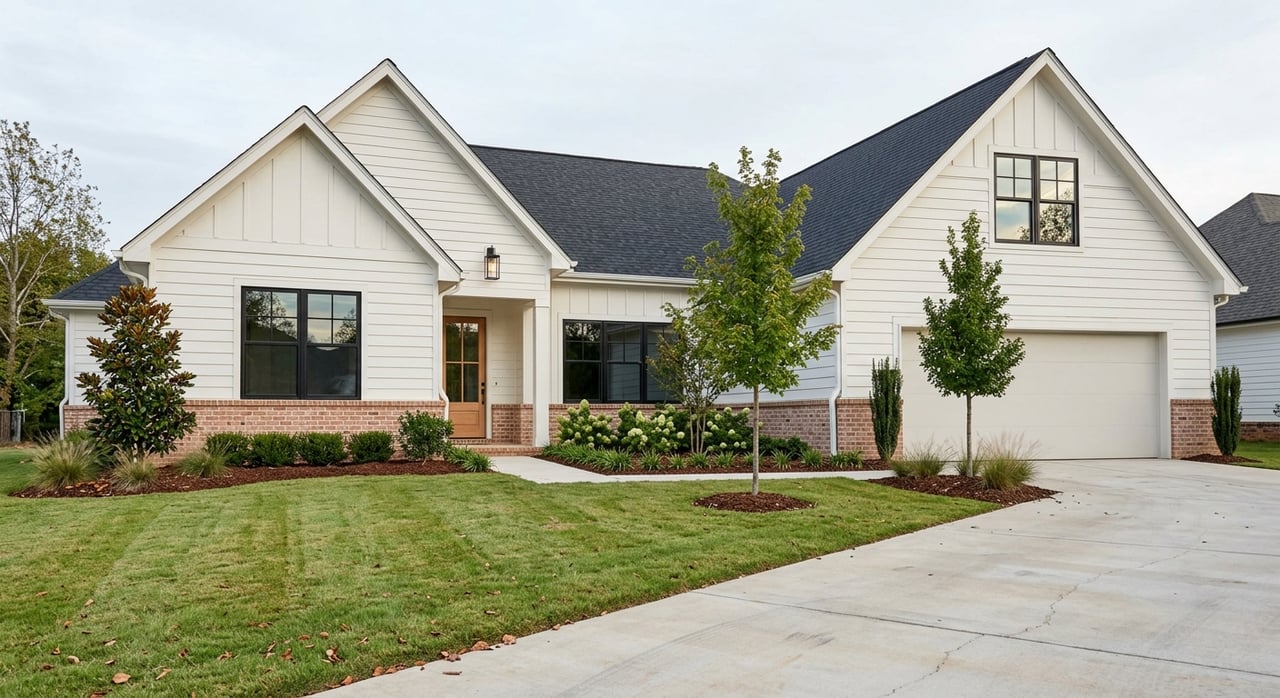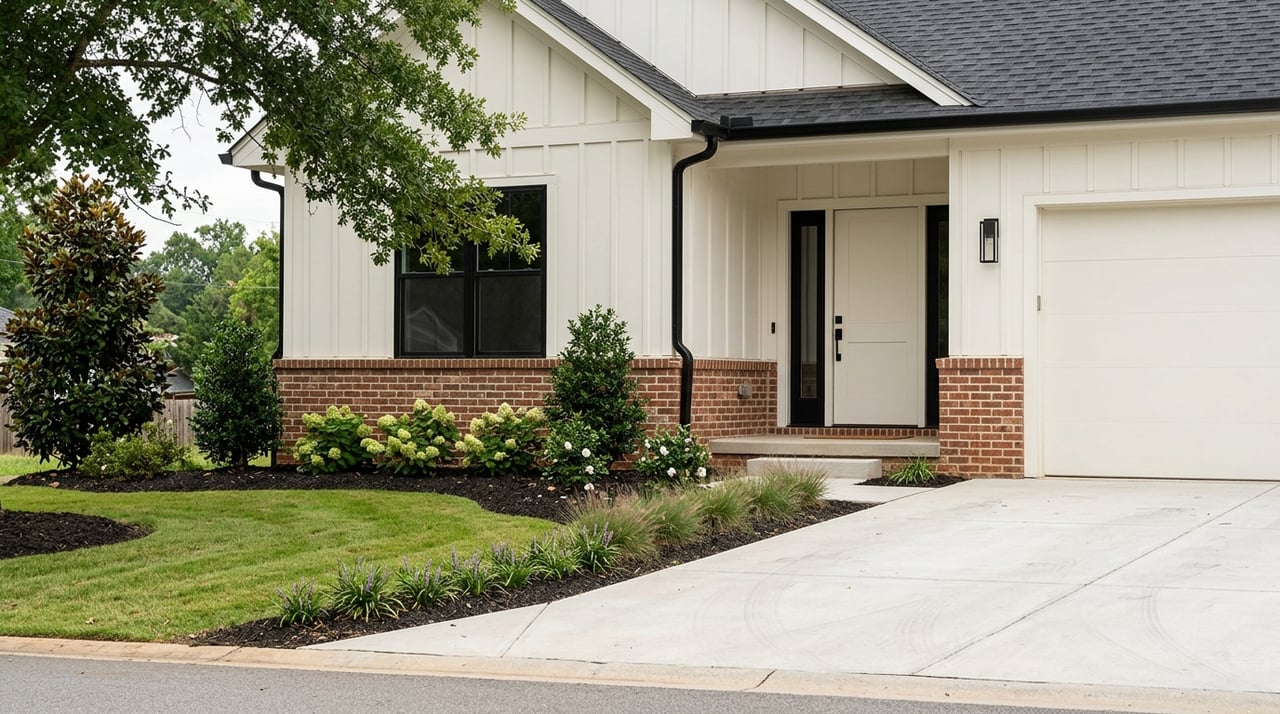
If you like the idea of lowering your housing payment while building long-term wealth, house hacking in Chattanooga may be worth a serious look. It can be a smart path for first-time buyers, budget-minded movers, and anyone who wants their home to do more than provide a place to live. The key is knowing that a good house hack is not just about rental income. It also has to work with local zoning, financing, and property rules. Let’s dive in.
What house hacking means in Chattanooga
House hacking usually means you live in one part of a property and rent out another part to help offset your monthly housing costs. In Chattanooga, that often looks like buying a duplex, triplex, or fourplex and living in one unit while renting the others. It can also mean buying a single-family home with a legal accessory dwelling unit, often called an ADU.
That local detail matters. Chattanooga has specifically allowed homeowners on single-family lots to build one ADU under certain conditions, and the city has described ADUs as spaces above garages, in detached structures, or above or below the main home. This makes house hacking especially relevant here, but only when the setup is permitted and compliant.
Why Chattanooga buyers are paying attention
House hacking can make homeownership feel more reachable. Instead of covering the full payment with your household income alone, you may be able to use rent from another unit to reduce your monthly out-of-pocket cost. For some buyers, that can be the difference between waiting and moving forward.
Chattanooga also brings a practical local angle. The city has tied its ADU policy to a broader housing shortage, and its zoning system regulates land use, density, and building size. In other words, success here starts with the property itself. A layout that seems perfect on paper still needs to be legal, buildable, and recognized by a lender.
Best property types for house hacking
Duplexes, triplexes, and fourplexes
These are often the clearest fit for house hacking. Local planning materials for Chattanooga identify zoning districts intended for two-family duplexes as well as multifamily uses like triplexes and quadplexes. If your goal is to live in one unit and rent the others, these property types are usually the most straightforward.
They also tend to be easier to explain to a lender because the use is more obvious. You are buying a residential property, occupying one unit, and renting the rest. That clarity can make your search more focused from the start.
Single-family homes with an ADU
A single-family home with a legal ADU can also work well. The ADU might be a garage apartment, a basement apartment, or a detached small structure, depending on the property and what the city allows. This option can appeal to buyers who want more privacy than a traditional duplex setup.
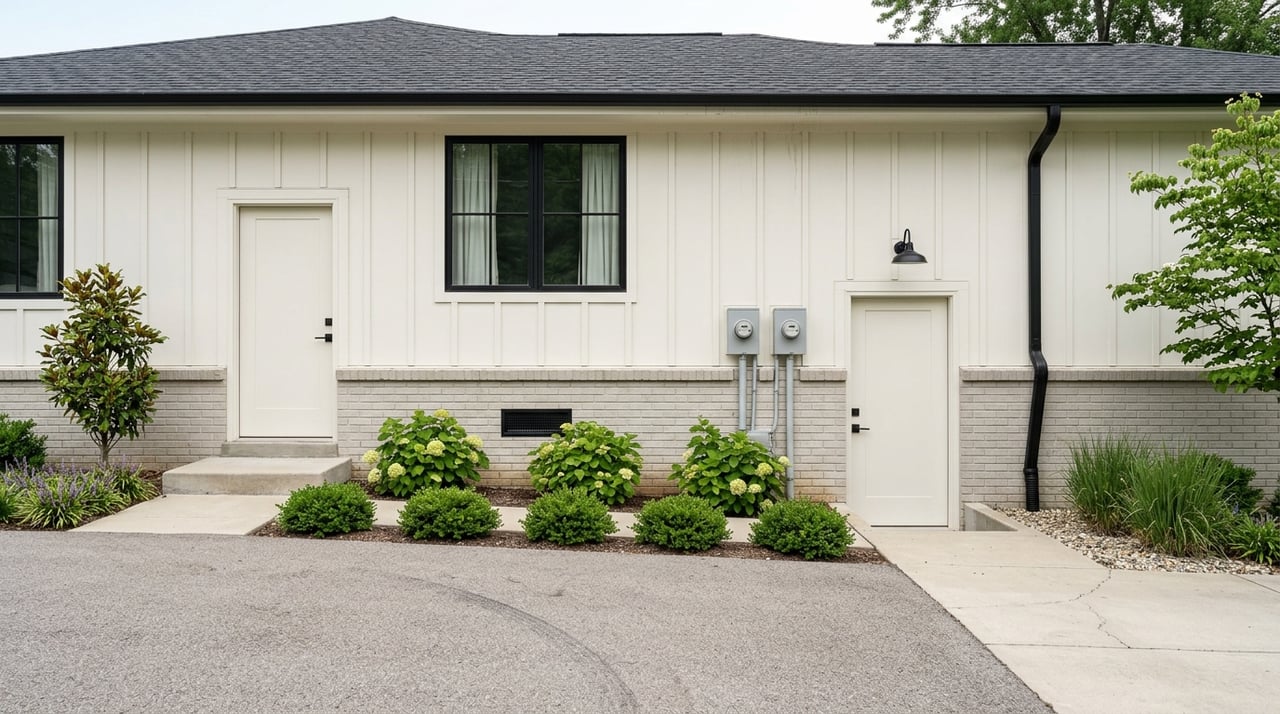
Still, an ADU is not the same as a true two- to four-unit property. Fannie Mae notes that a one-unit property with an ADU is generally still treated as a one-unit property for underwriting unless the details indicate otherwise. Things like separate utility meters, a separate address, and whether the unit can legally be rented can affect how the property is classified.
Why legality matters before income
One of the biggest mistakes buyers make is assuming any extra room, finished basement, or detached building can become rental income. In Chattanooga, that is not something you want to guess on. The city regulates zoning, land use, and building requirements, and it also offers an official zoning verification process.
If you are thinking about a basement conversion, garage suite, or detached rental space, you need to know whether it was properly permitted and inspected. Chattanooga’s Code Enforcement Department enforces minimum housing standards and structure-maintenance rules for existing properties, and the city’s adopted building codes apply to renovation work that creates living space. If a unit is not legal, it can create financing issues, insurance problems, and enforcement headaches.
How financing can make house hacking possible
A lot of buyers assume multi-unit property means investor-only financing and a huge down payment. That is not always true. Owner-occupied two- to four-unit properties can still qualify for standard residential mortgage products.
Freddie Mac says owner-occupied primary residences with two to four units are eligible, and rental income from the other units may be added to your total income for debt-to-income calculations. That can be a major benefit if you are trying to stretch your buying power responsibly.
Fannie Mae has also explained that a triplex can qualify with as little as 5% down when the owner lives in one unit and the loan meets standard eligibility rules. FHA can be another common route, with down payments as low as 3.5% on one- to four-unit properties. The exact program, mortgage insurance, rent-counting rules, and underwriting details vary by lender and property type, so early lender conversations are important.
Hamilton County loan limits to know
If you are shopping in Chattanooga, local conforming loan limits are part of the planning process. For 2026 in Hamilton County, the conforming loan limits are:
- One-unit: $832,750
- Two-unit: $1,066,250
- Three-unit: $1,288,800
- Four-unit: $1,601,750
These limits matter because they shape what many conventional loan options can cover in the local market. If you are comparing a duplex to a home with an ADU, the property classification can affect the loan structure in a meaningful way.
What being a landlord really involves
House hacking can lower your housing cost, but it also makes you a landlord. That means you need to be realistic about maintenance, records, communication, and legal obligations. The rental income is only one side of the picture.
In Hamilton County, Tennessee’s Uniform Residential Landlord and Tenant Act applies. State guidance also says landlords in covered counties must maintain rentals in compliance with building and housing codes that affect health and safety. So if you are renting a unit, you are taking on real responsibilities from day one.
Security deposits and move-out records
Tennessee law has specific rules around security deposits. Deposits must be held in a dedicated account, and tenants have rights related to inspections and itemized damage lists around move-out. That means good systems matter, even if you are renting out only one small unit.
A strong written lease, clear documentation, and move-in and move-out photos can help you stay organized. Those habits are simple, but they can save you time and stress later.
Short-term rentals are a separate issue
Some buyers look at house hacking and immediately think about short-term rental income. In Chattanooga, that is a separate regulatory category. The city requires a short-term vacation rental certificate, and the rules distinguish between owner-occupied homestay uses and absentee uses, with zoning restrictions involved.
That means you should not assume a spare unit can automatically be used for Airbnb-style income. If short-term rental income is part of your plan, that needs to be verified separately and early.
A smart house-hack checklist for Chattanooga
Before you make an offer, focus on the basics that can make or break the deal:
- Confirm the property type: duplex, triplex, fourplex, or single-family with ADU
- Verify zoning and permitted use with the city
- Check whether any added unit or conversion was permitted and inspected
- Ask your lender how the property will be classified for underwriting
- Review how rental income may be counted for qualification
- Budget for maintenance, repairs, vacancy, and insurance
- Understand Tennessee landlord obligations before closing
- Verify short-term rental rules separately if that is part of your plan
- Plan to confirm legal and tax questions with a Tennessee real estate attorney and a tax professional
How to think about the right fit
The best house hack is not always the property with the highest possible rent. It is the one that matches your budget, comfort level, and long-term plan. Some buyers want the simplicity of a duplex. Others prefer the feel of a single-family home with a legal ADU and a little more separation.
In Chattanooga, the right fit usually comes down to three things: legal use, lender acceptance, and day-to-day practicality. If those three pieces line up, house hacking can be a powerful way to enter the market and build momentum over time.
If you are exploring duplexes, small multifamily properties, or homes with ADU potential in the Chattanooga area, working with a local agent who understands both the neighborhood landscape and the property details can save you a lot of trial and error. When you are ready to look at options that fit your goals, connect with Kevin Jennings for a pressure-free conversation about what may work in today’s market.
FAQs
What is house hacking in Chattanooga?
- House hacking in Chattanooga usually means living in one part of a property and renting another part, such as one unit in a duplex or a legal ADU on the same lot, to help lower your housing costs.
What property types work best for house hacking in Chattanooga?
- The clearest options are duplexes, triplexes, fourplexes, and single-family homes with a legal ADU, because these are the property types most closely tied to local zoning and lender recognition.
Can you use a conventional loan for a Chattanooga house hack?
- Yes, owner-occupied two- to four-unit properties can fit standard residential mortgage products, and some programs may allow rental income from other units to help with qualification.
Can an ADU count the same as a duplex in Chattanooga financing?
- Not always. A single-family home with an ADU is generally treated as a one-unit property for underwriting unless the property details support a different classification.
Do you need to verify zoning before buying a house hack in Chattanooga?
- Yes, zoning and permitted use should be verified before you buy, especially if the plan involves an ADU, basement apartment, garage suite, or any converted rental space.
Are short-term rentals allowed for house hacking in Chattanooga?
- Not automatically. Chattanooga requires a short-term vacation rental certificate, and the rules for owner-occupied and absentee uses differ, so that plan needs separate verification.
What landlord rules matter for house hacking in Hamilton County?
- Hamilton County falls under Tennessee’s Uniform Residential Landlord and Tenant Act, which means landlords need to follow rules related to habitability, deposits, and move-out documentation.