Wondering what makes Signal Mountain feel different from other Chattanooga-area communities? It starts with the setting. You get mountain views, wooded terrain, and easy access to trails and parks, all about 12 miles from Chattanooga and roughly 20 minutes from downtown. If you are thinking about a move here, this guide will help you understand how outdoor living shapes both the lifestyle and the homes. Let’s dive in.
Why Signal Mountain Stands Out
Signal Mountain is a mountaintop community with a strong connection to the outdoors. National Park Service and local visitor sources describe it through its overlooks, wooded landscape, and trail access, which gives the area a clear identity from the start.
That outdoor focus is not just a nice extra. The Trust for Public Land estimates that 9% of the town’s land is used for parks and recreation. For you as a buyer or seller, that helps explain why outdoor space and access matter so much in this part of Hamilton County.
Outdoor Access Near Home
One of the biggest draws of Signal Mountain is how easy it is to get outside for a quick walk, a scenic stop, or a longer weekend adventure. You do not have to drive far to enjoy overlooks, wooded trails, or multi-use park space.
For many buyers, that convenience is a real quality-of-life factor. For sellers, it is also part of what makes the area appealing when marketing a home.
Signal Point for Scenic Views
Signal Point is the signature overlook on the mountain. The National Park Service identifies it as a popular hiking destination and a key access point for the Cumberland Trail, with parking available and seasonal restrooms.
If you want a short outing with a big payoff, Signal Point is often the place people start. It offers a scenic overlook experience without needing to commit to a long hike, which makes it one of the easiest outdoor spots to enjoy on a busy day.
Cumberland Trail for Longer Hikes
If you want more than a quick stop, the Cumberland Trail adds range and variety. The segment from Signal Point to Rainbow Lake is short but steep, with stairs, rocky sections, and cliff-edge views.
From Rainbow Lake toward Suck Creek Road, the trail stretches about 6.1 miles and passes places like Lockhart’s Arch, Edward’s Point, and Mushroom Rock. That mix makes Signal Mountain appealing to both casual walkers and more serious hikers.
Rainbow Lake and Edward’s Point Appeal
Visit Chattanooga highlights Signal Point, Edward’s Point, and Rainbow Lake as major outdoor draws on the mountain. Together, they create a strong local trail identity that is easy to understand whether you are new to the area or already familiar with Chattanooga.
For you, that means Signal Mountain is not limited to one scenic stop. It offers a network of recognizable outdoor destinations that support everything from a quick family outing to a more challenging day on the trail.
Parks for Everyday Recreation
Trails and overlooks get a lot of attention, but Signal Mountain also works well for everyday recreation. That matters if you are looking for more than weekend scenery and want practical outdoor options close to home.
County park assets help round out the lifestyle. Instead of relying on one standout attraction, the mountain offers multiple places where different kinds of outdoor routines can fit into daily life.
Shackleford Ridge Park Features
Hamilton County’s Shackleford Ridge Park sits on top of Signal Mountain and includes four soccer fields, a covered pavilion with concessions and restrooms, and 3 miles of woodland trails. That combination supports both organized activities and simple time outside.
If you want a park that can serve different needs in one trip, this is a strong example. You can picture sports, walking trails, and casual meetups all happening in the same setting.
Walden’s Ridge Park Uses
Walden’s Ridge Park adds another layer to the outdoor mix. This 200-acre county park includes mountain bike trails, climbing and bouldering areas, plus hiking and trail running trails.
That variety helps Signal Mountain feel like an everyday recreation base, not just a scenic overlook destination. Hikers, cyclists, trail runners, and people who simply enjoy open space can all find a reason to spend time outdoors here.
Home Styles With Outdoor Connection
Signal Mountain’s housing story is closely tied to its landscape. The historic core developed from a summer resort into a permanent residential suburb, and that history still shows up in the architecture.
The National Register nomination notes that many early homes were bungalows with Craftsman detailing. It also identifies Colonial Revival, Tudor Revival, English Cottage Revival, and Spanish Colonial Revival influences.
Historic Homes and Mountaintop Design
What is especially important for this topic is how these homes relate to the outdoors. The same National Register source emphasizes deep porches, large windows, and a naturally landscaped mountaintop setting.
Those details help explain why outdoor living feels built into Signal Mountain rather than added on later. In many homes, the line between indoor comfort and outdoor enjoyment is part of the design itself.
Current Mix Across the Mountain
Today, the housing stock is broader. Choose Chattanooga describes a mix ranging from stately brick homes to modern bungalows, with period homes concentrated in the historic district and newer developments spread across the mountain.
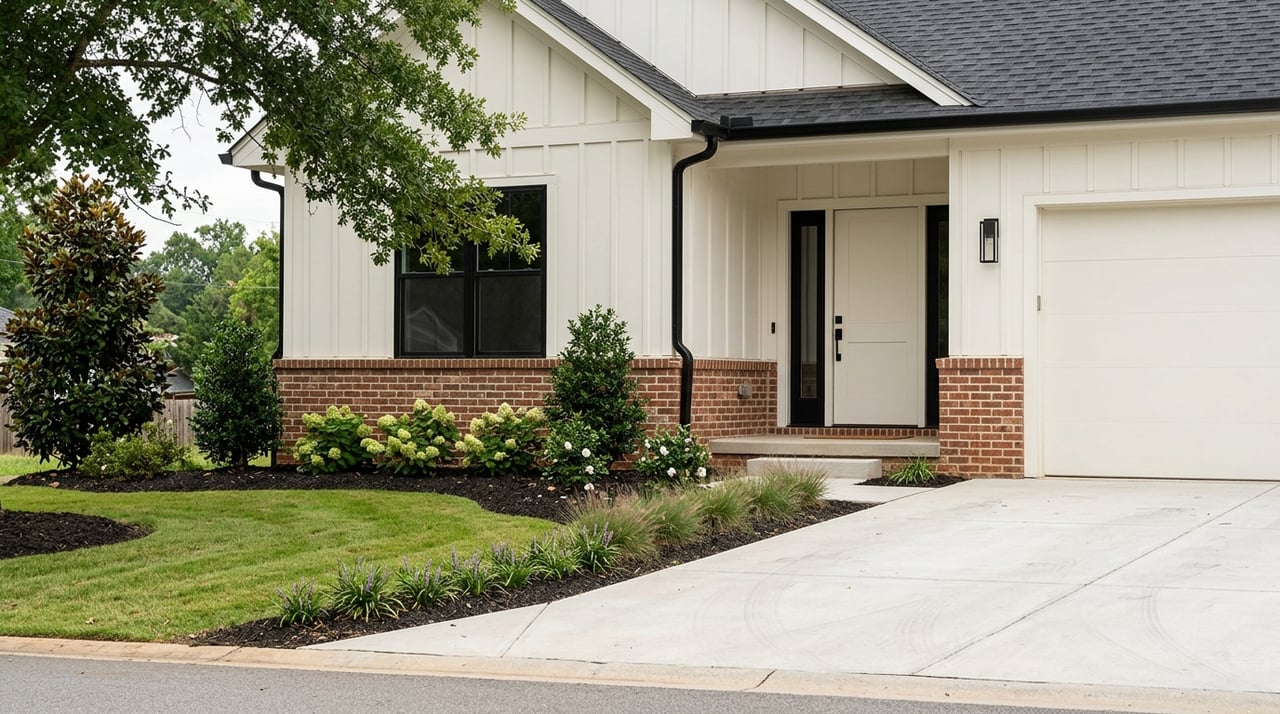
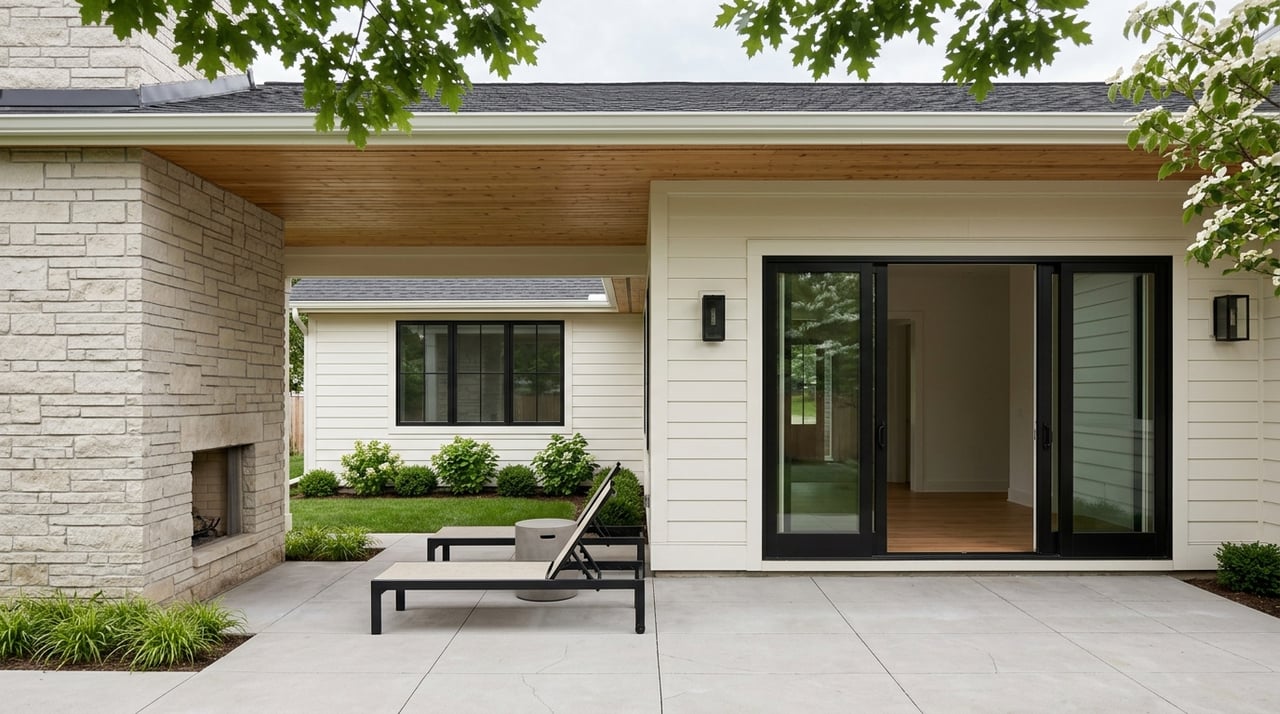
For buyers, that means you can find different architectural styles while still staying connected to the same outdoor-oriented setting. For sellers, it means features like porches, wooded views, and usable outdoor space often fit naturally into how homes are positioned in the market.
Outdoor Features Buyers Notice
Outdoor living on Signal Mountain is not just about being near trails. It also shows up in the kinds of property features that appear again and again in local inventory examples.
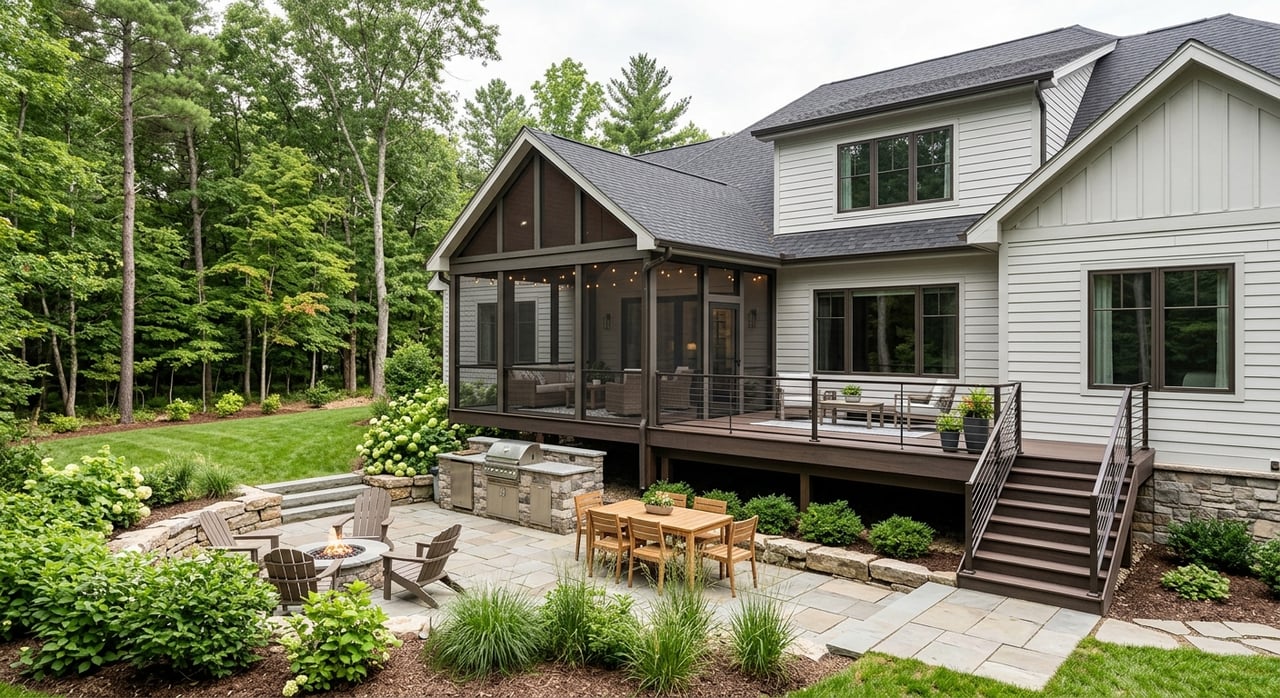
Listing examples cited in the research report include large decks, gazebos, screened-in porches, covered front and back porches, wooded parcels, gated entrances, and valley views. These examples are not a full market survey, but they do illustrate how often trees, acreage, and outdoor gathering spaces are part of the conversation.
Porches, Decks, and Screened Spaces
Porches and decks matter here because they make the setting usable day to day. A deep front porch, a covered back porch, or a screened-in area can turn a wooded lot into an extension of the home.
That can be especially appealing if you are looking for a place where outdoor time feels easy and private. It also gives sellers a practical way to highlight how a home lives beyond its interior square footage.
Wooded Lots and Acreage
Wooded parcels are another common theme in Signal Mountain examples. The research points to homes on more than an acre, multi-acre retreats, and even larger wooded parcels with valley views.
That does not mean every property is large, but it does show why lot character matters in this market. Trees, natural setting, and outdoor breathing room are often part of what makes a home feel distinctly Signal Mountain.
What This Means for Buyers and Sellers
If you are buying on Signal Mountain, it helps to think beyond bedrooms and bathrooms. You may also want to consider how close you want to be to trailheads, whether you prefer a historic home or newer construction, and what kind of outdoor space fits your routine.
If you are selling, your home’s outdoor story may be more important than you think. A porch, wooded backdrop, deck, or lot setting can help buyers connect the property to the lifestyle that draws people to Signal Mountain in the first place.
Outdoor living here is not a trend. It is part of the mountain’s identity, from Signal Point and the Cumberland Trail to parks, porches, and wooded home sites. If you are exploring Signal Mountain as your next move, working with someone who understands both the lifestyle and the housing mix can make the process a lot smoother.
If you are ready to buy or sell in Signal Mountain, Kevin Jennings can help you navigate the local market with a clear, pressure-free approach and neighborhood insight that fits your goals.
FAQs
How far is Signal Mountain from downtown Chattanooga?
- Signal Mountain is about 12 miles from Chattanooga and roughly 20 minutes from downtown.
Which Signal Mountain outdoor spot works for a quick outing?
- Signal Point is a strong option for a quick outing because it offers a signature overlook, parking, and access to scenic views without requiring a long hike.
Which Signal Mountain trails are better for longer hikes?
- The Cumberland Trail beyond Rainbow Lake toward Suck Creek Road is about 6.1 miles and passes features like Lockhart’s Arch, Edward’s Point, and Mushroom Rock.
Which Signal Mountain parks support sports or mountain biking?
- Shackleford Ridge Park includes soccer fields, a pavilion, restrooms, concessions, and woodland trails, while Walden’s Ridge Park includes mountain bike trails, climbing and bouldering areas, and hiking and trail running trails.
What home styles are common on Signal Mountain?
- Historic Signal Mountain homes include bungalows with Craftsman detailing along with Colonial Revival, Tudor Revival, English Cottage Revival, and Spanish Colonial Revival influences, while the broader current mix includes stately brick homes and modern bungalows.
Why do porches and wooded lots matter in Signal Mountain homes?
- The mountain setting makes outdoor features like deep porches, decks, screened spaces, wooded lots, and views especially meaningful because they connect daily living to the natural landscape.