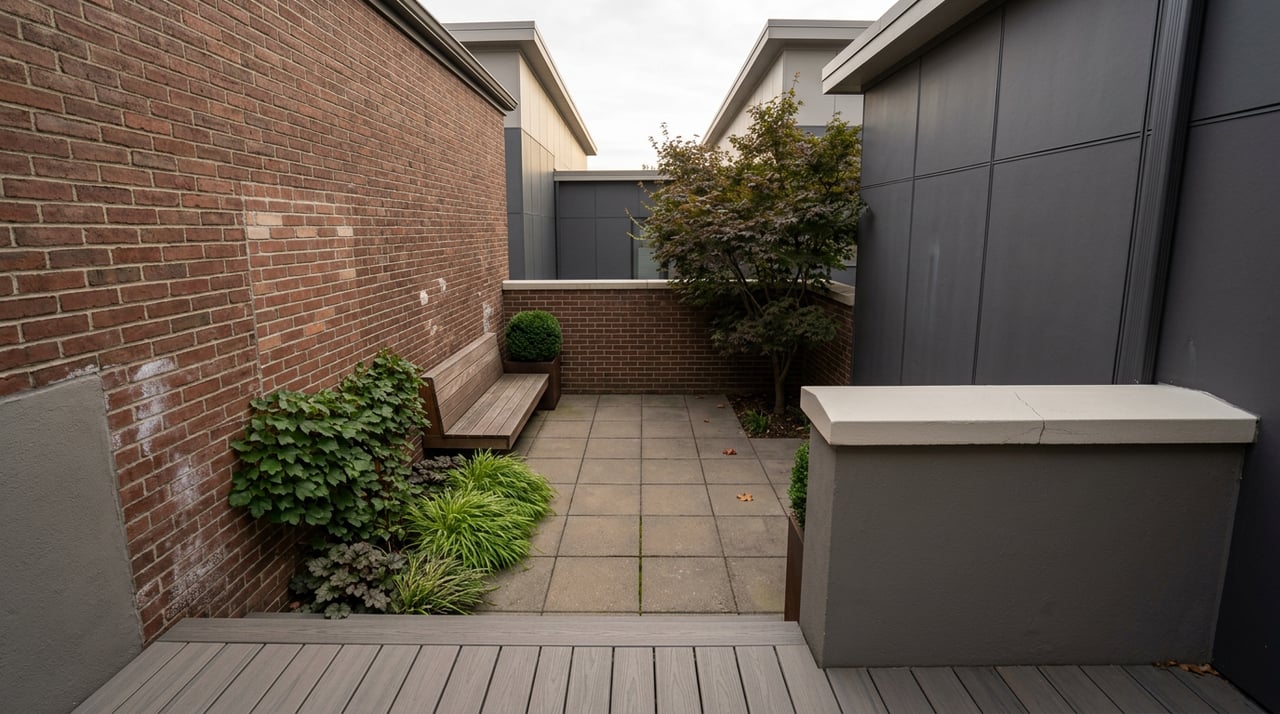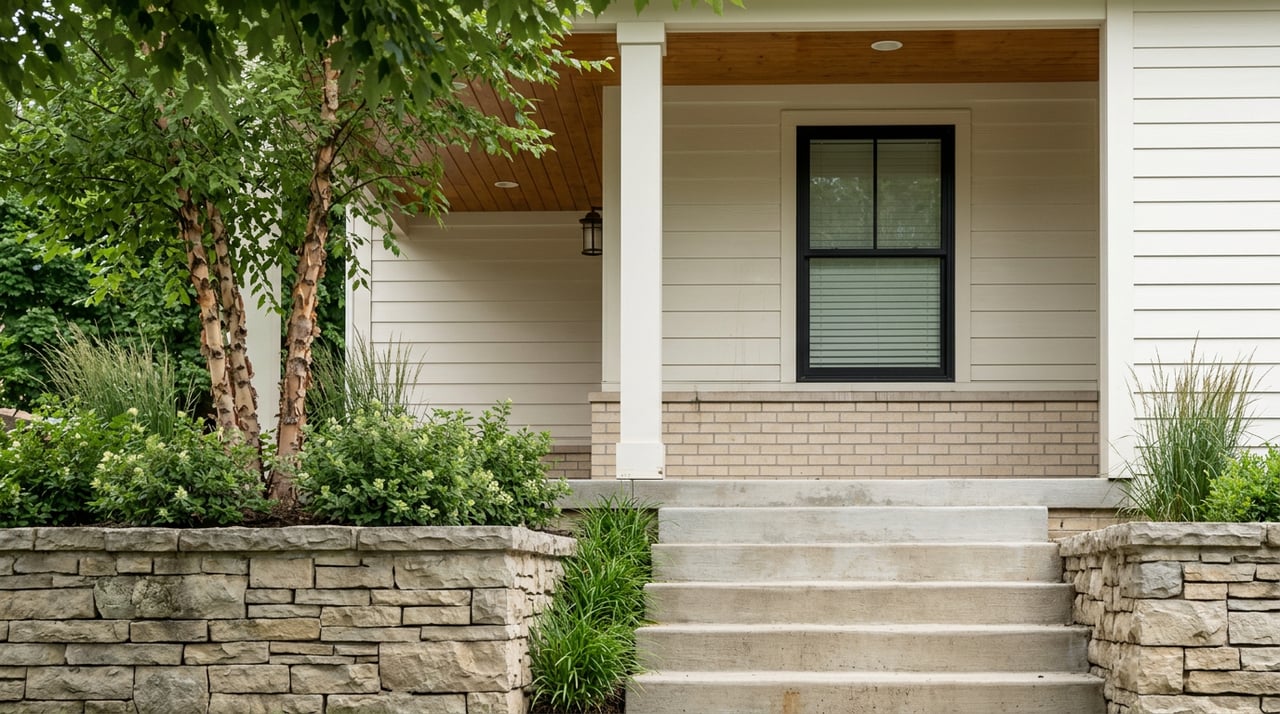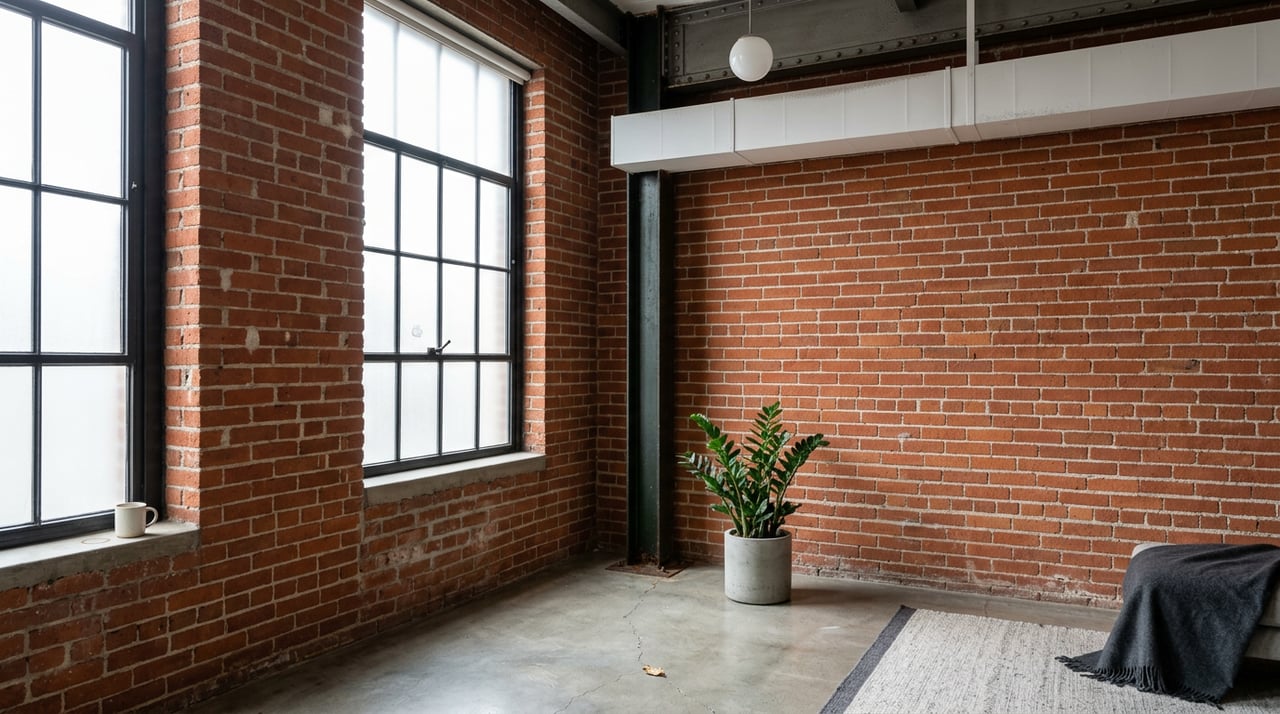
Two listings, one street apart in Southside. Same square footage. Same asking price, give or take a few thousand dollars. One buyer closes in five weeks with 5% down and a standard rate. The other gets a call from their lender two weeks before closing saying the building doesn't qualify for the loan they applied for, and now they need 25% down or a different lender entirely.
Nothing about the buyer changed. The building did.
That's the piece of the Southside market that median price data can't show you, and it's become more relevant, not less, as the neighborhood has heated up around the new ballpark. If you're comparing condos and lofts in Southside right now, the number that decides your financing terms isn't the list price. It's whether the building itself passes a set of tests most buyers never think to ask about until they're already under contract.
What the Median Price Actually Describes
Southside's numbers have moved fast. Over the three months ending May 2026, homes in the neighborhood sold for a median of $462,000, up 2.6% from the same period a year earlier, and the average time on market dropped to 48 days from 96 days the year before. Eighteen homes sold in May 2026 alone, compared to 12 the prior May.
Multi-family properties in the neighborhood, which include the duplexes and small investment buildings scattered through the historic blocks, carried a median price of $475,000 and an average sale price of $536,516 as of April 2026. As of mid-April 2026, condos in the neighborhood carried a median list price of $430,000, with 15 units on the market and an average stay of 52 days.
Those figures tell you what Southside costs. They don't tell you what it costs to borrow against it, and in a neighborhood built out of converted warehouses, new mixed-use towers, and everything in between, that gap matters more than it does almost anywhere else in the Chattanooga metro.
Warrantable, Non-Warrantable, and the Building That Decides Your Rate
Here's the mechanism. When you apply for a conventional mortgage on a condo, your lender isn't just underwriting you. They're underwriting the entire building, because Fannie Mae and Freddie Mac won't buy a mortgage on a unit inside a project that fails their standards. A building that passes is called warrantable. One that doesn't is non-warrantable, and that single word can add ten to twenty percentage points to your required down payment.
The tests lenders run cover things most buyers never see in a listing photo: what share of units are owner-occupied versus rented out, whether any single investor owns too large a slice of the building, how much of the square footage is commercial space, whether the HOA has adequate reserves, and whether the association is tangled up in litigation. Fannie Mae and Freddie Mac require that condo projects meet minimum thresholds in each of these categories before a mortgage on a unit can be sold on the secondary market, and failing even one can push a building out of conventional financing entirely.
The cost of getting this wrong isn't hypothetical. Buyers in non-warrantable buildings typically need portfolio loans with down payments starting at 10 to 20 percent, at rates that run higher than conforming loans, and other non-warrantable programs require at least 20 to 25 percent down with rates that run higher still. A building's warrantability status doesn't just affect your loan. It affects who else can buy in that building after you, which shapes resale timelines for years.
Two Southside Profiles, Same Zip Code
Southside's building stock splits roughly into two eras, and they tend to land on opposite ends of the warrantability spectrum for structural reasons, not because one is better built than the other.
| Established loft conversion | New mixed-use / investor-marketed building | |
|---|---|---|
| Typical origin | Historic warehouse or rail building converted decades ago | Ground-up construction or recent conversion, often with commercial space on lower floors |
| Owner-occupancy pattern | Tends to stabilize higher over time as original investor units resell to residents | Often starts investor-heavy while units are still selling, sometimes marketed directly around rental income |
| Commercial space | Usually limited or none | Can include retail, restaurant, or office space that eats into the residential square footage ratio |
| What a lender checks first | Reserve study and delinquency rate | Owner-occupancy percentage and commercial space share |
Market Street Lofts is a clean example of the first column. The building started as the Southern Railway Building in 1922, served as railway office and warehouse space for nearly 60 years, and wasn't converted to housing until 2001. Today it holds 34 privately owned condominiums, a unit count and ownership history that gives lenders decades of occupancy data to evaluate rather than a projection.
Newer mixed-use buildings sit in the second column by design. Some active Southside listings this year have marketed units with language like an already-active, transferable short-term rental permit attached to the unit, aimed squarely at buyers planning to rent rather than live there. That's a reasonable investment strategy, but it's also exactly the profile that pushes a building's owner-occupancy ratio down, and owner-occupancy is one of the first numbers a lender pulls.
None of this means new construction is a bad buy. It means the due diligence looks different, and it happens earlier in the process than most buyers expect.
Why Southside, Right Now, of All Places
The timing isn't a coincidence. Erlanger Park, the new $115 million home of the Chattanooga Lookouts, opened on April 14, 2026 on the old U.S. Pipe site off South Broad Street, and hosted 8,266 ticket holders for its first home game, exceeding the stadium's listed seating capacity of 8,032 between assigned seats and group areas. The ballpark sits inside the broader South Broad District revitalization that's been underway since 2003, and it has visibly accelerated investor interest in the residential blocks around it.
That interest runs into the city's own rental rules. Chattanooga's short-term rental ordinance splits permits into two categories: Homestay, for owners who live in the property at least 183 days a year, and Absentee, for non-owner-occupied units. Absentee permits are only allowed in commercial zones that permit hotel or motel-style use, which means a building marketed for absentee rental income almost has to carry some commercial-use classification to make that pitch legal in the first place. That's the same commercial-space ratio a lender is checking for warrantability. The feature that makes a unit attractive to an investor buyer can be the same feature that narrows the pool of buyers who can finance it conventionally later.
If you're weighing whether a Southside building leans toward the rental-heavy end of the spectrum, it's worth reading our guide to loft and condo living in Southside alongside this one, since it covers the day-to-day tradeoffs of building type before you get to the financing question.
The Rule That Loosens and the Rule That Tightens in the Same Year
Fannie Mae's guidelines aren't static, and 2026 has brought two changes pulling in opposite directions. The agency's Lender Letter LL-2026-03 retired the 50% investor-concentration limit for established projects under Full Review, effective March 2026, which opens conventional financing back up in buildings with higher rental populations that previously didn't qualify. For a Southside building that's been investor-heavy since it opened, that's real news. It could shift a project from non-warrantable to warrantable without the HOA changing anything at all.
The same letter raises the required reserve allocation from 10% to 15% of the HOA's annual budget, mandatory for loan applications dated January 4, 2027 and later. That's a lower bar for occupancy, paired with a higher bar for reserves, landing on the same buildings at the same time. Expect some Southside HOAs to raise monthly dues over the next several months to get ahead of that reserve requirement before it becomes mandatory, rather than face a special assessment after the fact.
Before You Write the Offer
A few questions are worth asking before you fall in love with a unit:
- Ask your agent or the listing agent for the building's most recent condo questionnaire, which discloses owner-occupancy percentage, reserve balance, and any pending litigation.
- Confirm whether the building carries an active short-term rental permit and whether it's a Homestay or Absentee designation, since that tells you the zoning classification the building operates under.
- Ask your lender directly whether the project has been reviewed for warrantability recently, and if not, how long that review typically takes before your rate lock expires.
- If the building is non-warrantable, ask what your specific down payment and rate would look like under a portfolio loan before you get emotionally attached to the unit.
None of this shows up in a listing photo, and by the time it surfaces during underwriting, you've often already waived your inspection contingency.
Southside Rewards Buyers Who Ask Early
The neighborhood's momentum is real. Days on market have been cut in half. The ballpark is drawing the kind of foot traffic that supports long-term value. But the same forces pulling Southside's median price up are also widening the gap between its easiest-to-finance buildings and its hardest, and that gap is invisible until someone goes looking for it.
If you're comparing Southside buildings and want a second set of eyes on the financing question before you write an offer, Kevin Jennings has been tracking which buildings in the neighborhood tend to sail through underwriting and which ones need a specialty lender lined up in advance. Start with a look at current Southside listings or reach out directly through our contact page to talk through a specific building before you make an offer.
A Couple of Questions Worth Asking First
Can I still buy a non-warrantable condo in Southside? Yes. You'll typically need a portfolio loan or a non-QM program, a larger down payment, and a lender who handles these regularly. It's a smaller buyer pool for you now, and for whoever buys from you later, so factor that into your offer.
How do I find out if a specific building is warrantable before I make an offer? Ask the listing agent for the HOA's most recent condo questionnaire, or have your lender request one directly from the property management company. It's faster to find out before you're under contract than after.